Jakarta, TAMBANG, – The government has just released a new regulation regarding Mineral Benchmark Prices (HPM). This regulation will come into effect on April 15 2026. This policy has received various special responses from business actors in nickel mining. This new HPM calculation formula is projected to significantly increase state revenues. However, at the same time, nickel mining business actors are facing double pressure due to unpreparedness for implementation in the field.
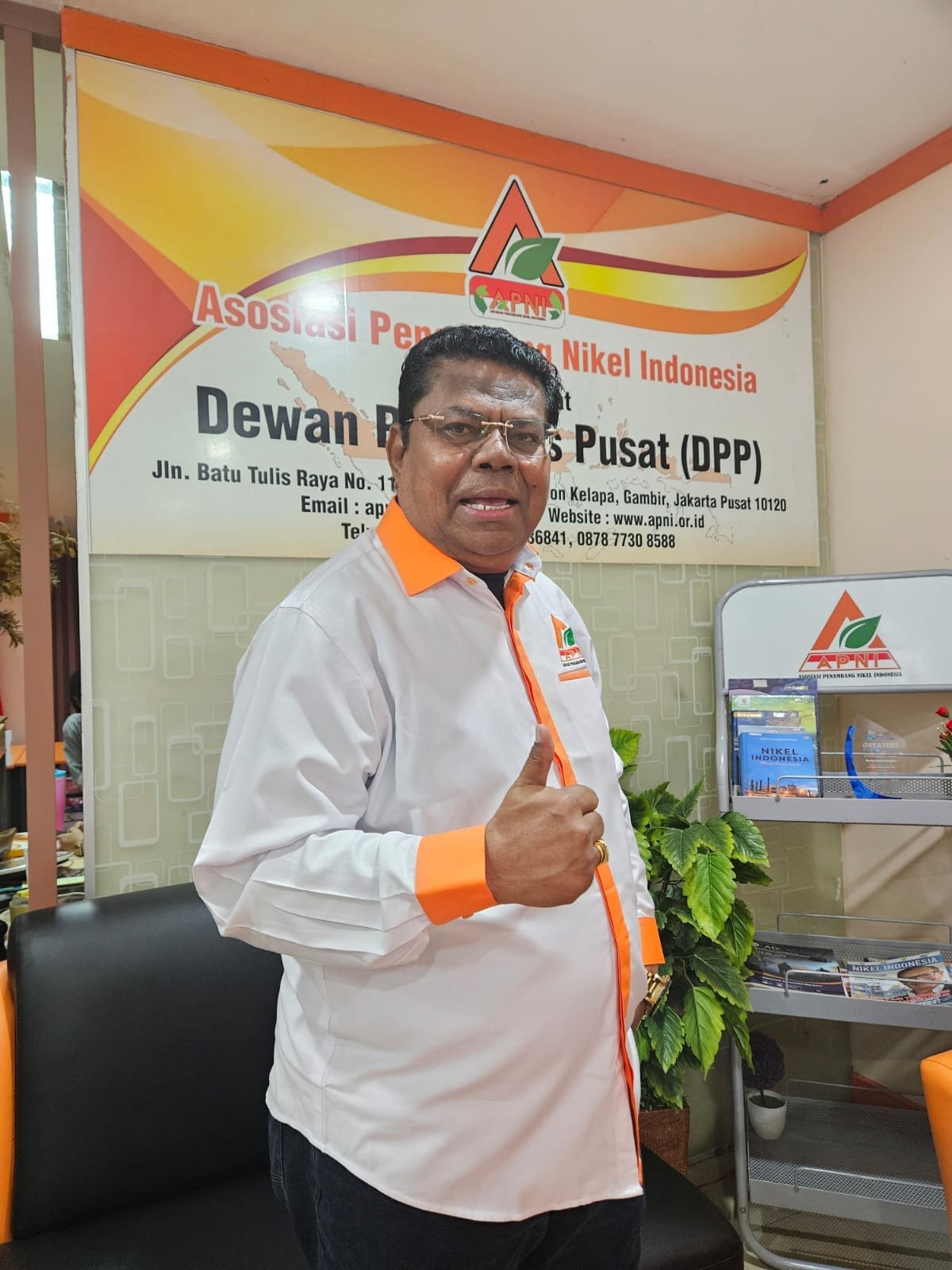
Chairman of the Licensing Division of the Indonesian Nickel Miners Association (APNI), Ense DC Solapung, explained that changes to the HPM formula through Minister of Energy and Mineral Resources Decree Number 144 of 2026 expanded the basis for calculating mineral values, including associated elements that had so far been neglected.
“This change in HPM provides big benefits for the country, because so far other elements in nickel ore such as iron, cobalt and chrome have not been included in the value calculation,” explained Ense in Jakarta, Wednesday (15/4).
He considered this step to be an important correction in the governance of national mineral resources. Understandably, so far the economic value of associated minerals has not been fully optimized in the state revenue scheme.
However, on the other hand, this policy has not been followed by the readiness of business mechanisms in the industry. Ense assesses that this condition actually risks suppressing miners’ financial performance in the short term.
“For the time being, this change has not significantly benefited miners. In fact, currently they have the potential to suffer losses,” he said.
Pressure arises because there has been no contract adjustment (addendum) between miners and smelters, while transactions in the field still refer to the old prices. On the other hand, obligations to the state are still calculated based on the latest HPM.
“If sales are below the HPM, the calculation of liabilities still uses the benchmark price. This puts pressure on miners’ cash flow,” explained Ense.
This situation is exacerbated by the lack of synchronization of cross-sector policies. The smelter industry is under the Ministry of Industry, while the HPM is determined by the Ministry of Energy and Mineral Resources, so that implementation in the field is not in harmony.
As a result, business actors face double pressure: selling prices have not adjusted, while liability burdens have increased.
Source: tambang.co.id