
The traditional aggregate mining and processing industry in Latin America stands at a critical crossroads. Facing increasing environmental scrutiny, regulatory pressure, and competition from lower-cost operators, simply extracting and crushing virgin rock is no longer a guaranteed path to profitability and growth. The future belongs to integrated operations that transform liabilities into assets. By adopting multi-source solid waste treatment technologies, aggregate plants can fundamentally evolve their business model. This strategic pivot—from pure material extraction to comprehensive material recovery and refinement—unlocks new revenue streams, drastically reduces operational risks, and builds a formidable competitive moat in a rapidly changing market.
The Strategic Imperative: From Linear to Circular Operations
Historically, aggregate operations followed a linear model: extract, process, sell. This model is increasingly vulnerable. Permitting for new quarries is becoming more difficult and time-consuming in many regions, community opposition is rising, and the cost of logistics from remote extraction sites to urban consumption centers is soaring. Simultaneously, Latin American cities generate enormous volumes of inert solid waste, including Construction and Demolition Waste (C&DW), excavated earth, and slag from certain industrial processes. These materials often end up in illegal dumps or overloaded landfills, creating environmental and social problems.
Forward-thinking plant owners are recognizing this waste stream not as a problem, but as a secondary “urban quarry.” Integrating treatment systems for these multi-source materials transforms an aggregate plant into a circular economy hub. This shift is not merely an add-on; it is a core strategic upgrade that enhances competitiveness across multiple dimensions. A modern aggregate crusher plant(planta de agregados) is no longer just for virgin rock; it becomes the heart of a sophisticated material recovery facility.

Key Waste Streams and Their Value Potential
The first step is identifying and understanding the composition of locally available waste streams that can be processed into valuable aggregates or soil amendments.
Construction and Demolition Waste (C&DW)
This is the primary and most valuable stream. It consists of concrete, bricks, tiles, and asphalt. When properly processed, it yields high-quality recycled concrete aggregate (RCA) and recycled asphalt pavement (RAP). RCA can competitively replace natural aggregate in a vast range of non-structural and even some structural applications, from road base to drainage layers.
Excavated Soil and Rock
Massive quantities of earth are moved during infrastructure projects. Often treated as spoil, this material can contain significant amounts of usable stone and sand. By integrating washing, screening, and crushing circuits, plants can upgrade this “waste” into specification fill material, sub-base, or even concrete sand, conserving natural deposits.
Inert Industrial By-Products
Certain industrial processes, such as steel manufacturing (slag) or mining of other commodities, produce inert, stone-like materials. These can often be processed into aggregates for specific applications, such as railroad ballast or engineered fill, creating a synergy between different extractive industries.
Technological Integration for Enhanced Processing
The competitive advantage is realized through the intelligent integration of specialized treatment technologies with existing or new crushing circuits. This requires more than a standard setup; it demands a flexible, robust, and precise processing plant.
Pre-Sorting and Decontamination Systems
This is the critical first stage that determines final product quality. Advanced systems are needed to remove contaminants like wood, plastic, and metals from incoming waste streams.
- Feeding and Pre-Screening: Scalping feeders remove oversized debris and fines.
- Manual and Mechanical Sorting: Picking stations, magnetic separators for ferrous metals, and air classifiers for lightweight materials ensure a clean feed for the crushers. A clean feedstock protects downstream equipment and guarantees a marketable product.
Core Crushing and Shaping Circuits
This is where a versatile aggregate crusher plant proves its worth. Processing heterogeneous waste requires different crusher technology than homogeneous virgin rock.
- Primary Impact Crushers: Often the preferred choice for C&DW due to their high reduction ratio and ability to handle material with some reinforcement bars. They are excellent for initial fragmentation.
- The Crucial Role of the Cone Crusher: For producing high-quality, well-shaped final aggregates, especially for more sensitive applications, the cone crusher(chancadora de cono) is indispensable. Its compressive crushing action is ideal for producing cubical end products from pre-processed concrete and hard masonry. It allows for precise control over product gradation, a key factor in meeting strict engineering specifications and commanding premium prices.
Advanced Screening and Washing
Multiple stages of screening are essential to separate materials into precise, marketable fractions (eg, 0-5mm sand, 5-20mm aggregate). For soil treatment or when processing clay-bound C&DW, washing plants (log washers, sand screws) are necessary to liberate and clean fine particles, creating a saleable sand product and further enhancing yield and revenue.
Tangible Competitive Advantages Gained
The investment in multi-source waste treatment delivers concrete benefits that directly strengthen an aggregate plant’s market position.
Diversified and De-risked Feedstock Supply
Relying solely on a single quarry depletes a finite resource and ties the business to one location. By sourcing from multiple urban waste streams, the plant secures a low-cost, renewable, and geographically distributed feedstock supply. This dramatically reduces reliance on mining permits and insulates the business from disruptions at any single extraction point.
Significant Reduction in Operational Costs
- Lower Acquisition Cost: The cost of receiving waste (often via tipping fee) is typically far lower than the cost of drilling, blasting, and primary crushing of virgin rock.
- Logistics Savings: Positioning processing facilities near urban waste sources (“urban quarries”) slashes transportation costs for both incoming raw materials and outgoing finished products to the primary urban markets.
Access to New Markets and Premium Contracts
Producing certified recycled aggregates opens doors to profitable markets:
- Government Tenders: An increasing number of municipal and national infrastructure projects mandate the use of recycled content.
- Green Building Projects: Developers seeking LEED, EDGE, or local sustainability certifications actively seek suppliers of recycled materials.
- Corporate Social Responsibility (CSR): Supplying recycled materials allows large developers and contractors to meet their own sustainability targets.
Enhanced Regulatory and Social License to Operate
Becoming a solution to the region’s solid waste problem, rather than just a source of environmental impact, fundamentally changes a plant’s community and governmental relations. This “social license to operate” is invaluable, easing permits for expansions and solidifying the business as a responsible, future-oriented partner in regional development.
Conclusion: The Integrated Plant as a Market Leader
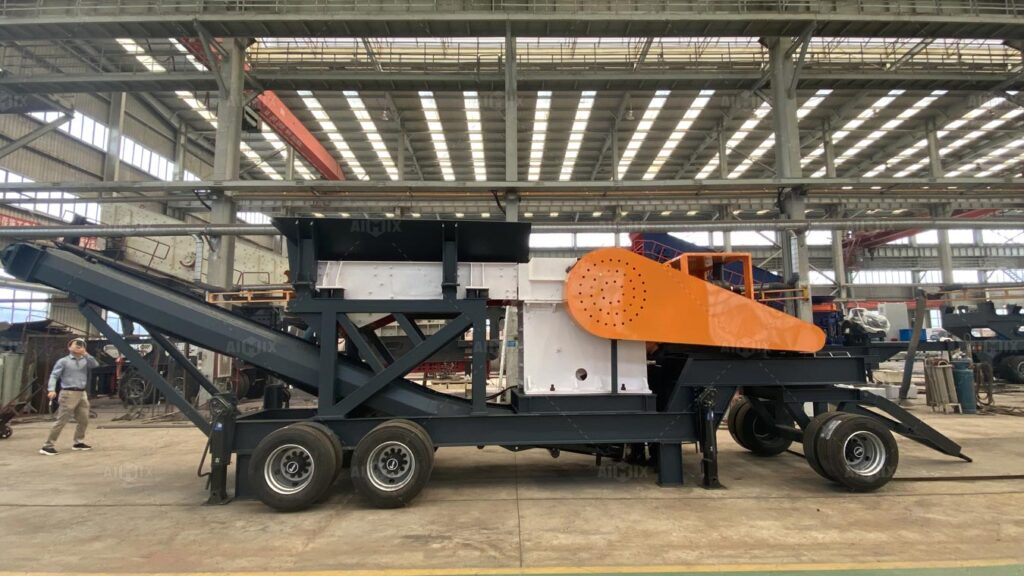
In conclusion, for aggregate producers in Latin America, integrating multi-source solid waste treatment is no longer a niche environmental strategy—it is a powerful business transformation. By deploying an advanced and flexible aggregate crusher plantenhanced by precise shaping technology like a cone crusheroperations can process a wider range of feedstocks into higher-value products. This approach builds resilience against regulatory shifts, taps into new and growing markets for sustainable construction materials, and creates a significant cost advantage over traditional, quarry-only competitors. The plants that embrace this integrated, circular model will not only survive the industry’s evolution but will emerge as its most competitive, profitable, and indispensable leaders.
Source: www.miningdoc.tech