
The aftermath of the war between Israel and the United States against Iran is widening. Domestic energy supplies have become a concern, especially regarding the potential for disruption to world oil distribution in the Middle East region.

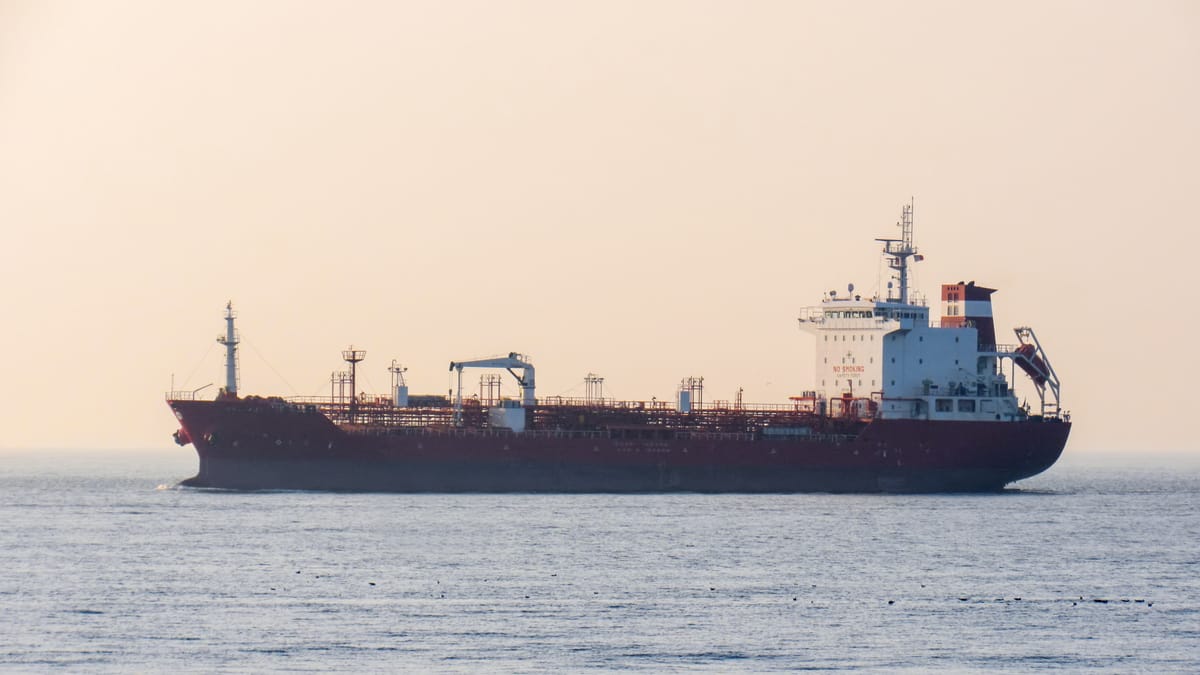
Jakarta, MINE – The conflict involving Israel-United States VS Iran has sparked concerns about the sustainability of global oil and fuel oil (BBM) supplies, including for Indonesia. This concern is related to the potential disruption of world oil distribution across the Strait of Hormuz due to the escalation of conflict in the Middle East region.
A number of reports indicate that the conflict is starting to have an impact on the flow of oil distribution through this strategic shipping route. The Strait of Hormuz has long been one of the most important energy chokepoints in the world because it is the main route for sending oil from producing countries in the Middle East to the global market.
Around 98% of the oil traded through the Strait of Hormuz is produced by countries in the Middle East region. The six main producing countries that distribute oil through this route are Saudi Arabia, Iraq, United Arab Emirates, Iran, Kuwait and Qatar.
Meanwhile, around 75% of oil trade passing through the Strait of Hormuz is absorbed by the four main consuming countries in Asia, namely China, India, South Korea and Japan.
Executive Director of the ReforMiner Institute, Komaidi Notonegoro, assesses that Indonesia’s supply of crude oil and fuel is still relatively safe even though conflict in the region has the potential to disrupt global energy distribution.
“Indonesia’s supply of crude oil and fuel is likely to remain relatively safe even though there is a war going on in Iran and the Middle East. Operational stocks and fuel supply capabilities in the country are still likely to be maintained as in the period before the war,” said Komaidi in an official statement, quoted on Thursday (12/3).
He explained that if we look closely at the national energy import balance, the impact of potential disruption to oil distribution in the Strait of Hormuz on Indonesia’s fuel supply can still be managed.
“The portion of Indonesia’s oil and fuel imports that pass through the Strait of Hormuz is relatively small. In 2025, oil imports through this route will be around 18.13% and fuel imports will be around 14.23%. This means that the majority of Indonesia’s energy imports will not depend on the Strait of Hormuz route,” he explained.
Thus, around 81.87% of Indonesia’s crude oil imports and 85.77% of its fuel imports do not pass through the Strait of Hormuz. This condition shows that the majority of Indonesia’s energy supply comes from other distribution channels, so the risk of supply disruption due to conflict in the Middle East is still relatively limited.
Source: tambang.co.id