The Latin American construction industry is experiencing unprecedented growth, driving parallel expansion in the crushing plant sector. As countries across the region invest heavily in infrastructure, residential, and commercial projects, the demand for aggregates has surged, creating a robust market for crushing equipment. This analysis explores the key factors propelling this sustained demand and examines how crushing plant manufacturers and operators can capitalize on these emerging opportunities in one of the world’s most dynamic construction markets.
Infrastructure Development Driving Aggregate Demand
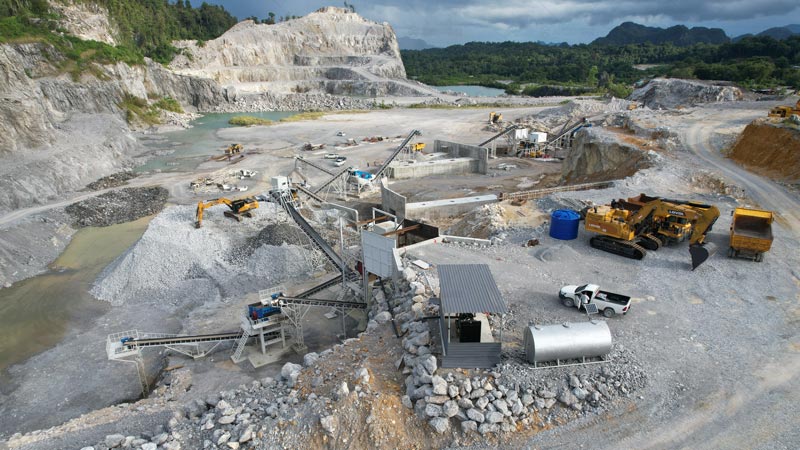
Major infrastructure initiatives across Latin America are creating sustained demand for crushing plants(planta chancadora de piedra) and aggregate production facilities.
Government-Led Infrastructure Programs
Countries throughout Latin America have launched ambitious infrastructure development plans that require massive quantities of high-quality aggregates. Brazil’s Growth Acceleration Program, Mexico’s Mayan Train project, and Colombia’s Fourth Generation Road Infrastructure program represent just a few examples of large-scale initiatives driving demand. These projects require reliable sources of aggregates, making investment in local crushing operations increasingly attractive. The scale of these government programs ensures long-term demand stability for aggregate producers.
Urbanization and Housing Projects
Rapid urbanization continues across the region, with millions of people moving to cities annually. This demographic shift creates enormous demand for residential construction, commercial spaces, and urban infrastructure. Major cities like São Paulo, Mexico City, and Buenos Aires are expanding their metropolitan areas, while secondary cities are experiencing growth that requires new construction materials supply chains. This urban expansion directly translates to increased need for local aggregate production facilities.
Economic Factors Influencing Crushing Plant Investments
Several economic considerations are making crushing plant increasingly attractive investments throughout Latin America.
Cost Efficiency of Local Aggregate Production
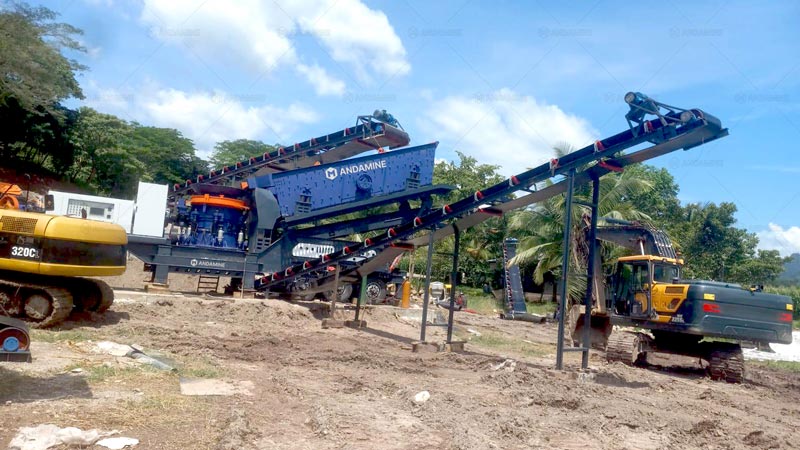
The economics of local aggregate production have improved significantly as transportation costs have risen. Establishing a local stone crusher plant near construction sites reduces logistics expenses and ensures timely material delivery. Many construction companies are finding that investing in their own crushing operations provides better cost control and supply chain security than relying on third-party suppliers. This trend is particularly evident in remote areas where transportation costs can represent up to 60% of total aggregate expenses.
Foreign Direct Investment in Construction
International investment in Latin American construction projects has reached record levels, bringing both capital and modern construction methodologies to the region. These international developers often prefer working with suppliers who operate modern, efficient crushing equipment that meets international quality standards. This preference is driving upgrades from older crushing technology to modern aggregate crusher plants(planta chancadora de aridos) that can produce precisely graded materials for sophisticated construction projects.
Regional Market Dynamics and Opportunities
Different subregions within Latin America present unique opportunities for crushing plant expansion.
Andean Region Mining Infrastructure
The Andean nations, including Peru, Chile, and Colombia, are experiencing simultaneous growth in both mining and construction sectors. Mining operations require significant infrastructure development, while urban centers need residential and commercial construction. This dual demand creates ideal conditions for crushing plant investments that can serve multiple market segments. The rugged terrain in these countries often makes local aggregate production more economical than long-distance transportation.
Central American Tourism Development
Tourism infrastructure development across Central America is driving demand for high-quality construction materials. New hotels, resorts, and supporting infrastructure require consistent supplies of aggregates that meet international standards. Countries like Costa Rica, Panama, and the Dominican Republic are seeing particularly strong growth in tourism-related construction, creating opportunities for modern crushing operations that can produce specification-grade materials.
Technological Advancements Supporting Market Growth
Innovation in crushing technology is making plant operations more accessible and profitable across Latin America.
Mobile and Modular Plant Solutions
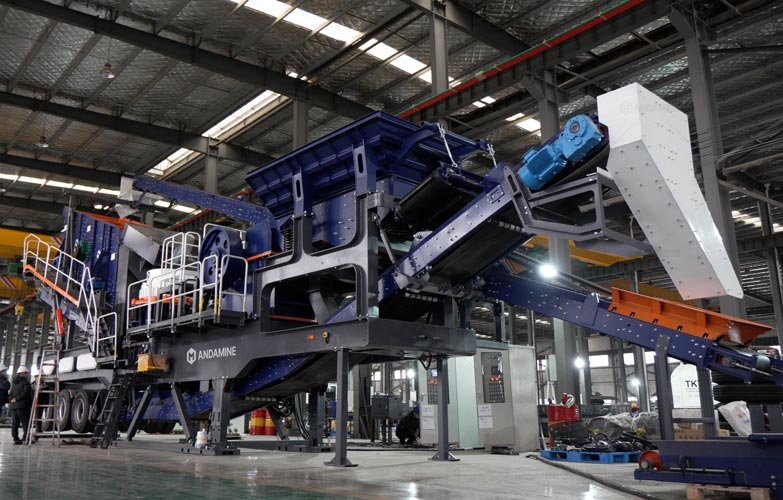
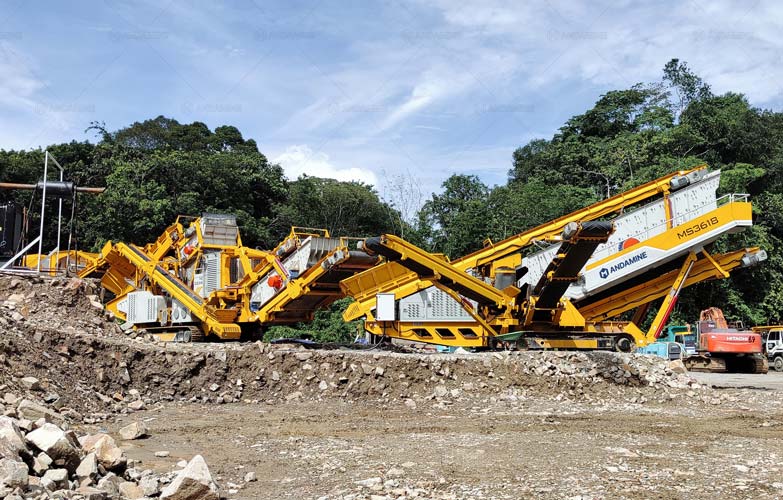
The development of highly efficient mobile and semi-mobile crushing plants has revolutionized aggregate production in regions with multiple small-to-medium projects. These systems allow operators to move equipment between sites as projects complete, maximizing utilization rates. For many contractors, a portable stone crusher plant represents an ideal solution that provides flexibility while minimizing initial investment compared to stationary plants.
Automation and Remote Monitoring
Modern crushing plants incorporate advanced automation systems that reduce labor requirements and improve operational efficiency. These technologies are particularly valuable in Latin America, where skilled operators may be scarce in some regions. Remote monitoring capabilities allow central technical teams to support multiple operations across vast geographical areas, making it feasible to manage crushing plants in remote locations effectively.
Environmental Regulations and Sustainable Operations
Evolving environmental standards are shaping crushing plant design and operation throughout the region.
Dust Control and Noise Mitigation
Increasingly stringent environmental regulations require modern dust collection systems and noise control measures in crushing operations. Urban expansion has brought residential areas closer to quarry operations, making community relations increasingly important. Modern stone crusher plants incorporate comprehensive environmental controls that allow operations to continue while maintaining good relationships with surrounding communities.
Water Recycling and Energy Efficiency
Water scarcity concerns in some Latin American regions have driven adoption of dry processing and water recycling systems in crushing operations. Simultaneously, rising energy costs have made energy-efficient crushing technology increasingly economically attractive. These environmental and economic factors are accelerating the replacement of older, less efficient crushing plants with modern equipment that addresses both productivity and sustainability concerns.
Future Outlook and Strategic Considerations
The crushing plant market in Latin America shows no signs of slowing, presenting both opportunities and challenges for industry participants.
Long-term Market Sustainability
Current construction project pipelines suggest sustained demand for aggregates across most Latin American markets for the next 5-7 years. Major infrastructure projects typically have long implementation timelines, ensuring continuous demand for construction materials. Additionally, economic growth and urbanization trends suggest that the current construction boom may transition into sustained long-term growth rather than experiencing a sharp contraction.
Strategic Location Planning
The geographical distribution of crushing operations will be crucial for capitalizing on market opportunities. Strategic placement of aggregate crusher plants near growing urban centers and major infrastructure corridors can provide significant competitive advantages. Companies that conduct thorough market analysis and position their operations strategically will be best positioned to benefit from the regional construction growth.
Conclusion: Capitalizing on Sustainable Growth
The expansion of crushing plant demand in Latin America represents a sustainable trend driven by fundamental economic and demographic factors. The region’s construction growth is supported by strong underlying drivers including urbanization, infrastructure development, and economic expansion. For crushing equipment manufacturers, aggregate producers, and investors, understanding these market dynamics is essential for developing successful long-term strategies.
The most successful market participants will be those who recognize that Latin America is not a single homogeneous market but a collection of distinct opportunities with unique characteristics. Tailoring equipment specifications, business models, and operational approaches to specific country markets will be crucial for maximizing returns. Additionally, the trend toward more sophisticated, efficient, and environmentally compliant crushing operations suggests that technological advancement and operational excellence will be key differentiators in this growing market.
As Latin America continues its development trajectory, the crushing plant sector will remain intrinsically linked to construction activity. Companies that invest in understanding local market conditions, building relationships with key stakeholders, and deploying appropriate technology will be well-positioned to benefit from this sustained growth period. The current expansion represents not just a cyclical upturn but a fundamental shift in the region’s development pattern that will support crushing plant demand for years to come.
Source: www.miningdoc.tech