
The rapid expansion of mining and aggregate production across Latin America has led to a significant shift in how companies manage equipment investment, labor, and operational risk. As flexible employment models grow in popularity—especially among mid-sized mining operators and contractors—leasing aggregate plants has become an attractive strategy to reduce capital pressure and increase adaptability. This trend is driving new interest in leasing arrangements for both fixed plants and mobile units such as a mobile stone crusher plant or a modular stone crusher plant.
Before exploring the detailed leasing value, this article explains why flexible employment and rental-based equipment models are reshaping production strategies in Latin American mines.
Why Flexible Employment Models Are Reshaping Aggregate Production
Across Latin America, mining companies today face increasing production uncertainty and project-based fluctuations. Demand for aggregates may spike when road, dam, or mining infrastructure projects begin and decline once the project is completed. This makes long-term, high-capital investments less attractive.
At the same time, flexible labor—seasonal, outsourced, or project-based—has become common in countries such as Peru, Colombia, Ecuador, and Chile. As companies adapt their workforce, they also seek greater flexibility in equipment acquisition. Leasing aggregate plants fits this shift perfectly, offering operational agility without long-term financial burden.
Core Advantages Of Leasing Aggregate Plants In Latin America
Lower Capital Pressure And Improved Cash Flow
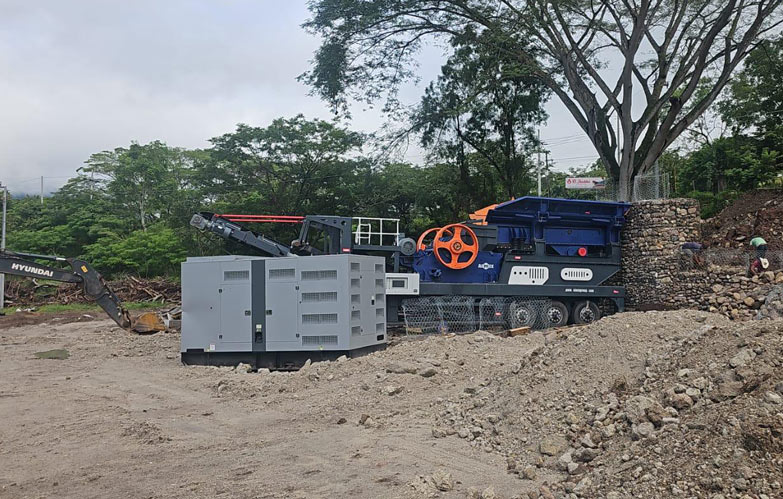
Mining operators often struggle with the large upfront payments required for purchasing a full stone crusher plant, especially when supporting infrastructure, spare parts storage, and long-term maintenance costs are considered. Leasing significantly reduces initial investment, allowing companies to reserve capital for exploration, labor, working capital, or project expansion.
This model is especially beneficial for:
- Small and medium-sized mining operators
- Contractors working on government infrastructure projects
- Companies operating multiple satellite quarries
- Firms entering new regional markets
By leasing instead of purchasing, companies maintain liquidity while still accessing high-capacity crushing equipment.
Better Alignment With Project-Based Contracts
Mining and aggregate contracts in Latin America frequently operate on short project cycles, ranging from 12 to 48 months. Investing in permanent installations may not make sense if deposit life is uncertain or extraction rights are temporary.
Leasing allows companies to:
- Scale equipment capacity up or down
- Terminate or renew contracts flexibly
- Avoid long-term depreciation risks
In this context, a mobile stone crusher plant(planta crusher movil) is particularly valuable because it can be mobilized rapidly between projects, eliminating unnecessary idle periods.
Lower Maintenance Responsibility And Reduced Technical Risk
Most leasing agreements include maintenance services, spare parts support, and periodic inspections. This reduces the need for companies to maintain a large in-house technical team.
This advantage is crucial for operators in remote regions such as:
- Andean mining belts
- Amazon border extraction zones
- Desert quarries in northern Chile and Peru
When maintenance is outsourced to specialized suppliers, mines can operate more efficiently and reduce unplanned downtime.
Technical And Operational Benefits Of Leasing Mobile And Fixed Plants
Faster Deployment And Relocation
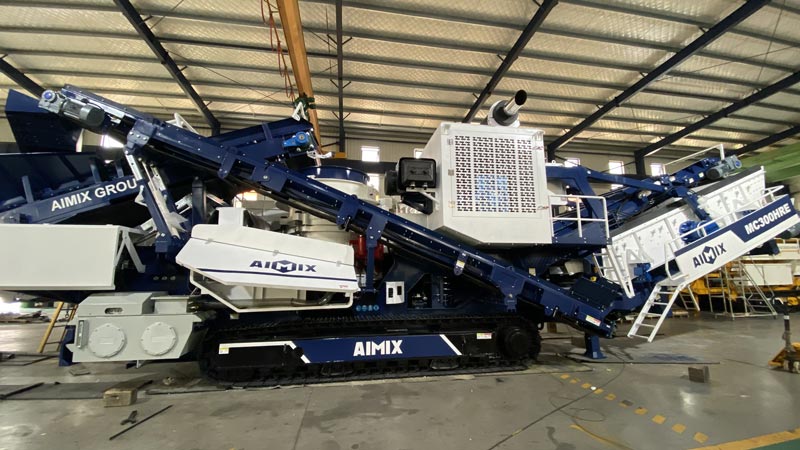
A key advantage of leasing a mobile stone crusher plant is the ability to deploy it within days rather than weeks or months. This supports contractors who must respond quickly to new mining contracts, exploration projects, or changing production schedules.
Access To Updated Technology Without Long-Term Commitment
Mining technology evolves rapidly—automation, fuel efficiency, dust suppression, telemetry systems, and energy optimization solutions are improving every year.
Leasing ensures that companies can:
- Upgrade to newer models more frequently
- Avoid equipment obsolescence
- Maintain competitive production performance
Fixed plants can also be part of a leasing agreement, particularly modular stone crusher plants(planta de trituracion y cribado) configurations that can be expanded or reduced as demand changes.
Reduced Idle Time For Equipment
Idle equipment is one of the biggest hidden costs in the mining industry. During slow periods or project transitions, purchased plants may sit unused, losing value. In a leasing model, equipment can be returned, swapped, or reallocated, ensuring higher overall utilization.
Economic Scenarios Where Leasing Delivers High Value
1. Short-Term Mining Contracts With Uncertain Continuity
When operators win temporary extraction rights or short-term construction supply contracts, leasing allows them to meet production requirements without committing to permanent facilities.
2. Multi-Site Operations Requiring High Mobility
Companies extracting materials from multiple deposits can deploy mobile plants from site to site, reducing haulage costs and avoiding multiple long-term investments.
3. Rapid Market Entry or Business Expansion
Contractors entering new regions such as Colombia’s Caribbean coast or Peru’s highland mining areas often choose leasing to test market stability before making large capital investments.
4. Seasonal Peaks In Construction And Mining
Demand for aggregates often rises during dry seasons or in the lead-up to government infrastructure deadlines. Leasing provides a temporary boost to production capacity.
Financial Considerations When Leasing Aggregate Plants
Operating vs. Capital Lease
Companies must decide whether to use:
- Operating leases for flexibility and lower monthly costs
- Capital leases when the goal is eventual ownership
Contract Terms And Usage Limits
Leasing agreements may include:
- Hourly operating limits
- Wear component replacement terms
- Delivery and relocation fees
Operators should analyze these factors to ensure profitability.
Cost Comparison With Purchase
In many cases, leasing costs for 24–36 months equal only a fraction of the cost of purchasing a fully fixed stone crusher plant. When combined with reduced maintenance and lower idle time, leasing often delivers a better cost-performance ratio for small and mid-sized operators.
Conclusion
As flexible employment trends reshape the mining landscape in Latin America, leasing aggregate production equipment—whether a high-capacity fixed stone crusher plant or a versatile mobile stone crusher plant—has become a valuable strategy for maintaining productivity while minimizing financial risk. With benefits such as reduced capital investment, better alignment with project timelines, lower maintenance responsibilities, and access to modern technology, leasing is emerging as a smart and practical choice for operators navigating dynamic market conditions.
Source: www.miningdoc.tech